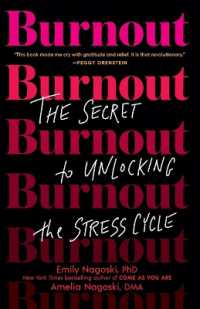
Burnout: The Secret to Unlocking the Stress Cycle
Emily Nagoski, PhD & Amelia Nagoski, DMA
Best for: Chronic stress, emotional exhaustion, over-functioning, and understanding the body’s stress response.
Why you might find it helpful: This book explains an important distinction between dealing with a stressful situation and actually completing the body’s stress response. It offers practical ways to recognise burnout, understand why stress can linger even after a problem has passed, and support recovery more intentionally.
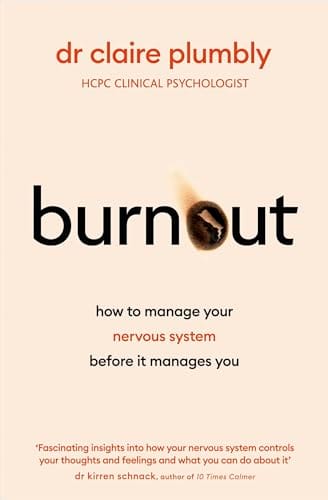
Burnout: How to Manage Your Nervous System Before It Manages You
Dr Claire Plumbly
Best for: Nervous-system overload, chronic stress, difficulty resting, and feeling constantly “on.”
Why you might find it helpful: Plumbly explains burnout through the lens of the nervous system and explores why prolonged stress can affect thinking, decision-making, relationships, boundaries, and our ability to rest. It is particularly useful if you understand what you “should” be doing to recover but still feel unable to switch off.
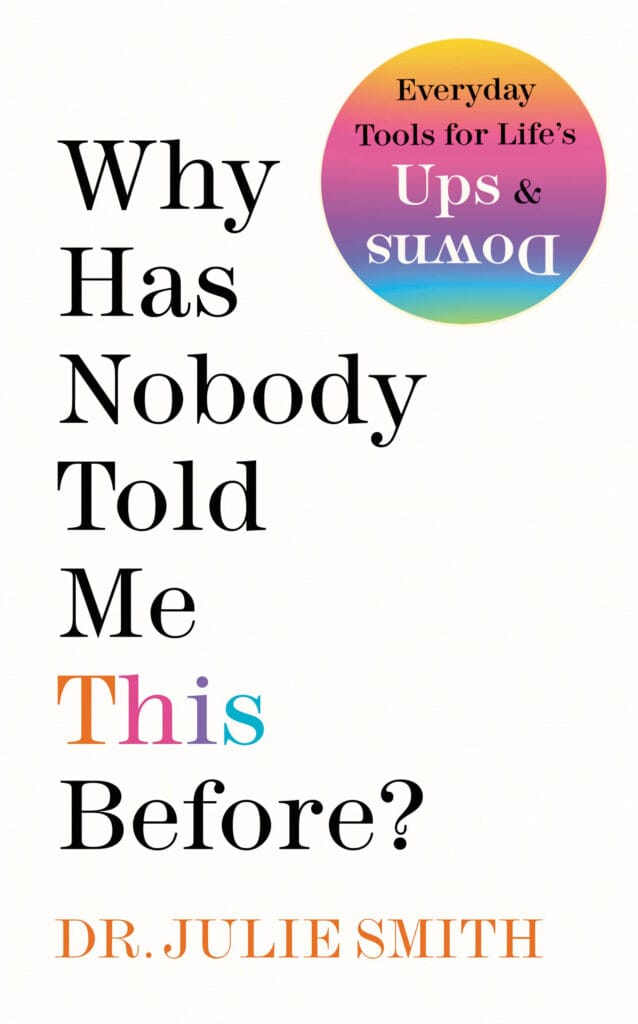
Why Has Nobody Told Me This Before?
Dr Julie Smith
Best for: Everyday stress, low mood, emotional overwhelm, confidence, and practical psychological tools.
Why you might find it helpful: Written by a clinical psychologist, this book brings together accessible strategies drawn from psychological practice for managing common emotional difficulties. The chapters are designed to be dipped into as needed, making it especially suitable for readers who want practical tools rather than a book that must be read cover to cover.
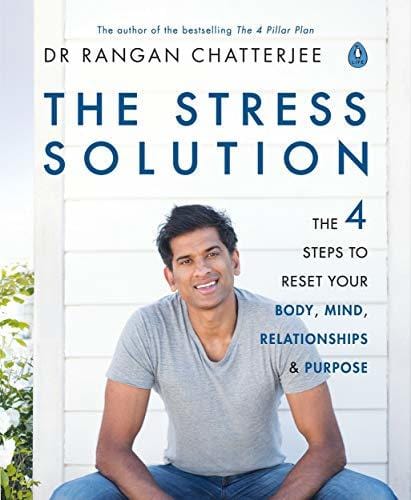
The Stress Solution
Dr Rangan Chatterjee
Best for: Everyday stress, lifestyle balance, feeling overloaded, and creating sustainable routines.
Why you might find it helpful: Chatterjee looks at stress across several areas of life, including relationships, purpose, the body, and the mind. The emphasis is on small, manageable changes rather than trying to overhaul your life all at once, which may make it useful for readers already feeling stretched.
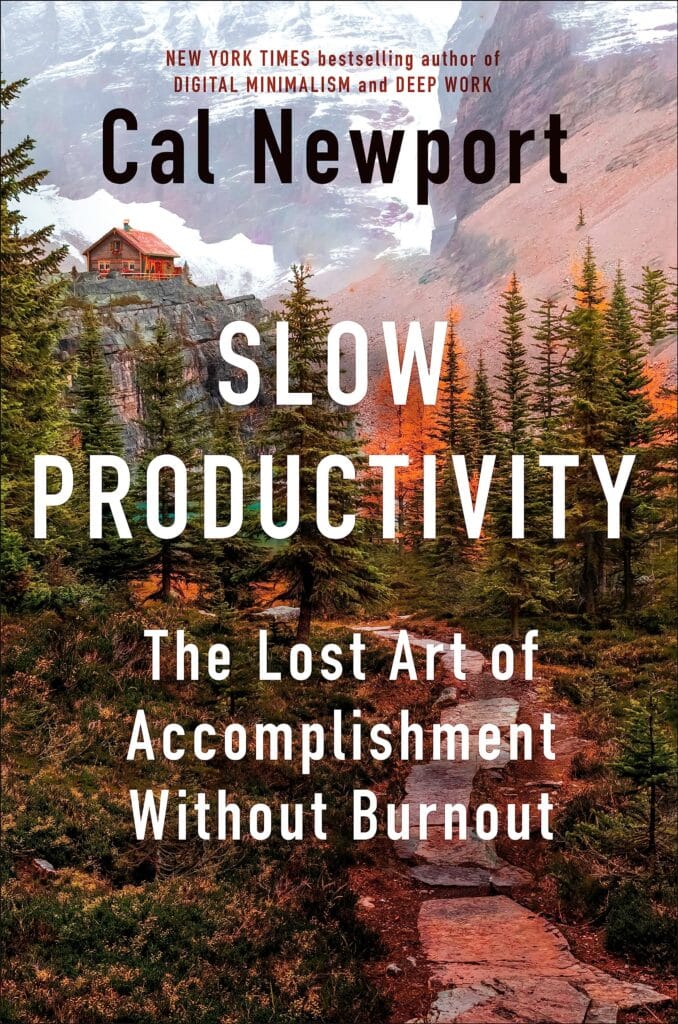
Slow Productivity
Cal Newport
Best for: Overwork, productivity pressure, unrealistic expectations, and creating a more sustainable relationship with work.
Why you might find it helpful: This book challenges the idea that being constantly busy is the same as being productive. It encourages a slower, more sustainable approach to meaningful work and may be particularly useful if much of your stress comes from feeling that you should always be doing more.