
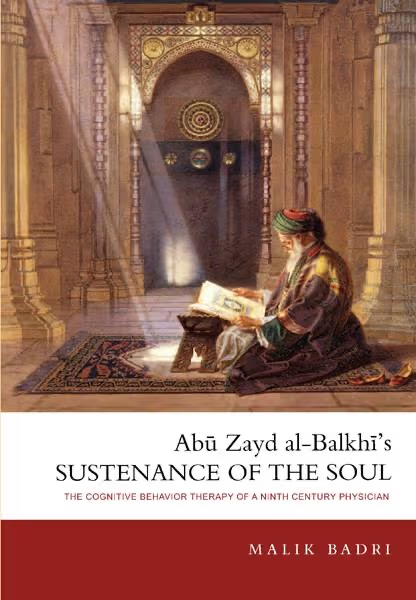
Abu Zayd al-Balkhi’s Sustenance of the Soul
Abu Zayd al-Balkhi, translated and annotated by Malik Badri
Best for: Understanding emotional wellbeing, anxiety, sadness, anger, obsessive thoughts, and psychological health through an early Islamic lens.
Why you might find it helpful: Al-Balkhi wrote about emotional distress and psychological wellbeing more than a thousand years ago, discussing fear, sadness, anger, obsessive thoughts, prevention, and recovery. The work is particularly valuable because it brings together psychological understanding with care of the soul and worship of Allah. It is also included in Khalil Center’s recommended reading for Islamically integrated psychology.
Don’t Be Sad
Aaidh ibn Abdullah al-Qarni
Best for: Sadness, disappointment, hardship, hope, and finding comfort through an Islamic perspective.
Why you might find it helpful: This book draws on the Qur’an, Sunnah, and examples from Islamic tradition to explore how Muslims can respond to sadness, disappointment, and the difficulties of life. Its reflective and encouraging style may be especially meaningful for readers who want emotional support that is explicitly grounded in faith.
The Productive Muslim: Where Faith Meets Productivity
Mohammed Faris
Best for: Connecting faith with daily habits, purpose, balance, focus, and living intentionally.
Why you might find it helpful: Faris combines Islamic principles with ideas from modern psychology and productivity science, looking at wellbeing across spiritual, physical, and social life. It may be especially helpful for readers who want their everyday routines, goals, and use of time to feel more connected to their faith.

Purification of the Heart
Hamza Yusuf
Best for: Self-reflection, character development, spiritual struggles, and understanding the inner life.
Why you might find it helpful: This book explores classical Islamic teachings about the conditions of the heart and the qualities that can affect our relationship with ourselves, others, and Allah. It can encourage deeper reflection on character, intention, attachment, envy, anger, pride, and other inner struggles.
Reclaim Your Heart
Yasmin Mogahed
Best for: Loss, attachment, disappointment, emotional pain, and reconnecting with faith during difficult periods.
Why you might find it helpful: Mogahed writes about emotional attachment, hardship, relationships, loss, and the search for inner steadiness through a strongly Islamic lens. Its reflective style may appeal to readers who want something emotionally accessible rather than academic or clinical.
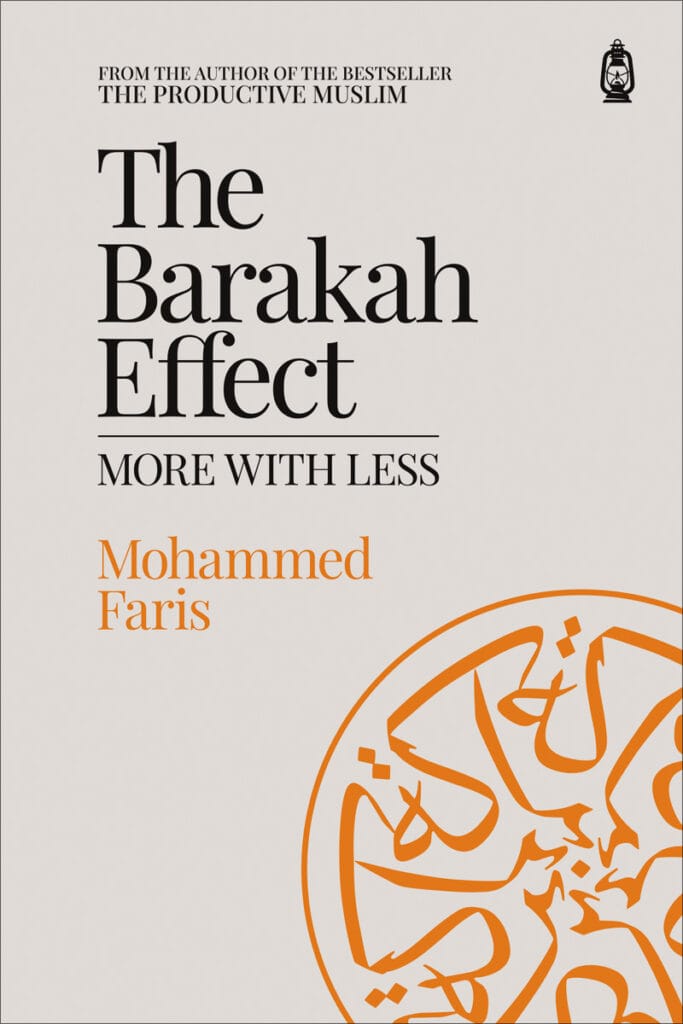
The Barakah Effect
Mohammed Faris
Best for: Purpose, busyness, achievement pressure, priorities, and approaching life through the concept of barakah.
Why you might find it helpful: This book challenges the assumption that wellbeing and success are simply about doing more. It encourages readers to think about intention, meaningful effort, priorities, and the Islamic concept of barakah when deciding how to use their time and energy.