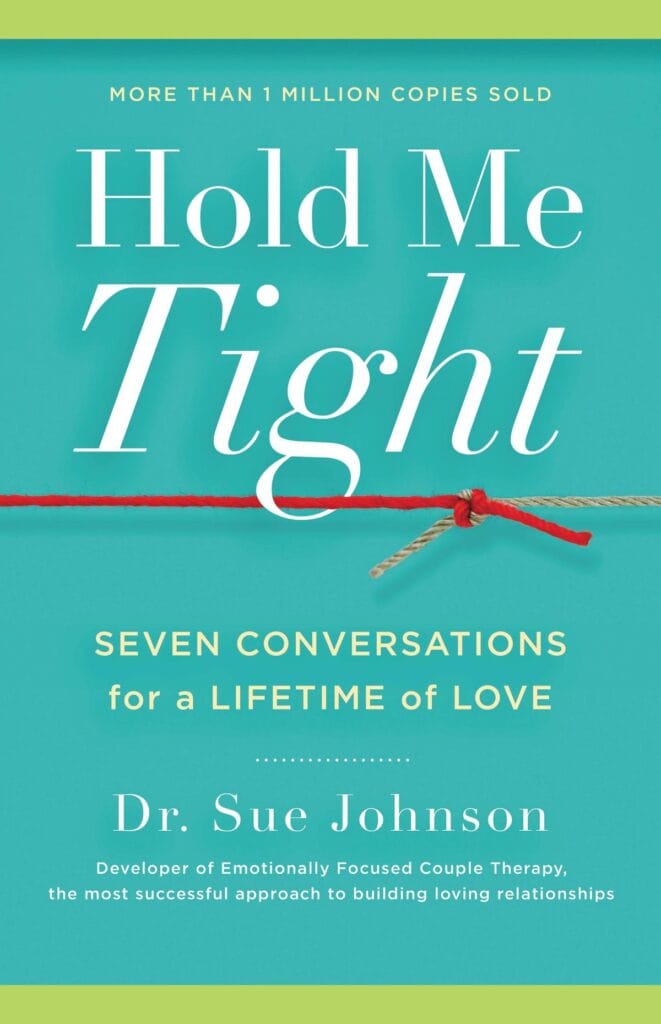
Hold Me Tight
Dr. Sue Johnson
Best for: Emotional connection, attachment needs, recurring relationship conflicts, and strengthening couple bonds.
Why you might find it helpful: Johnson explains how many arguments between partners are really protests about disconnection, hurt, or insecurity. The book is especially useful for understanding the emotional patterns underneath conflict and how couples can create a greater sense of safety and closeness.
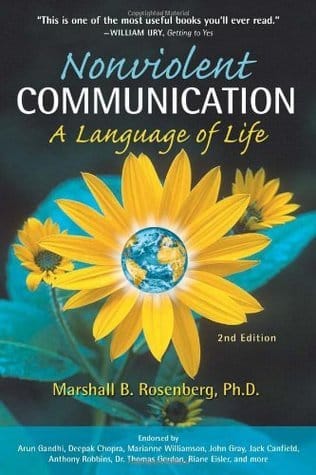
Nonviolent Communication
Marshall B. Rosenberg, PhD
Best for: Expressing needs clearly, reducing defensiveness, conflict resolution, and listening with empathy.
Why you might find it helpful: Rosenberg offers a practical framework for communicating without blame or criticism. It can help readers become more aware of the feelings and needs underneath difficult conversations and respond in ways that reduce escalation.
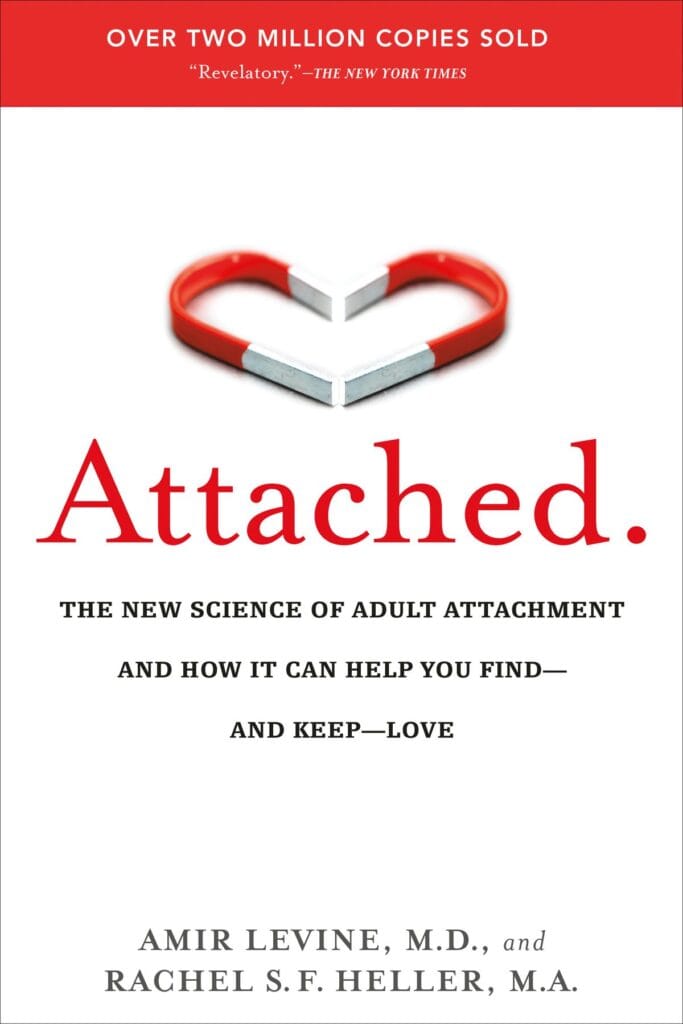
Attached
Amir Levine, MD & Rachel Heller
Best for: Understanding attachment styles, relationship patterns, reassurance needs, and emotional availability.
Why you might find it helpful: This accessible introduction to adult attachment can help readers recognise patterns in how they seek closeness, respond to distance, and experience relationships. It can be particularly useful as a starting point for reflecting on recurring relationship dynamics.
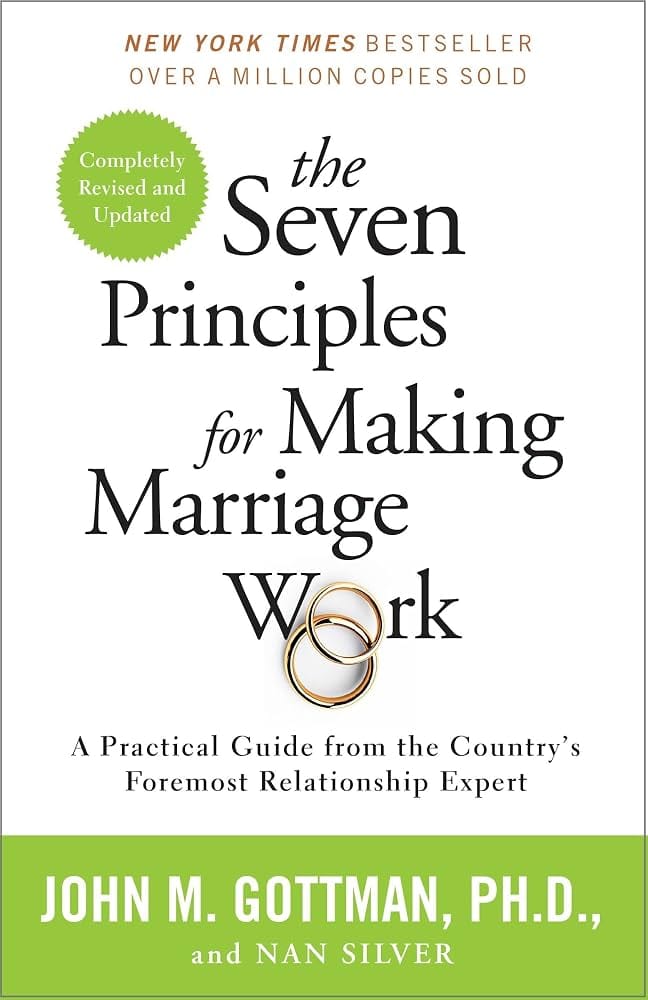
The Seven Principles for Making Marriage Work
John Gottman, PhD & Nan Silver
Best for: Long-term relationships, communication habits, conflict, friendship, and maintaining connection.
Why you might find it helpful: Drawing on decades of relationship research, Gottman explains behaviours associated with stronger and more resilient relationships. The book includes practical exercises that can help couples reflect on friendship, conflict patterns, emotional connection, and shared meaning.
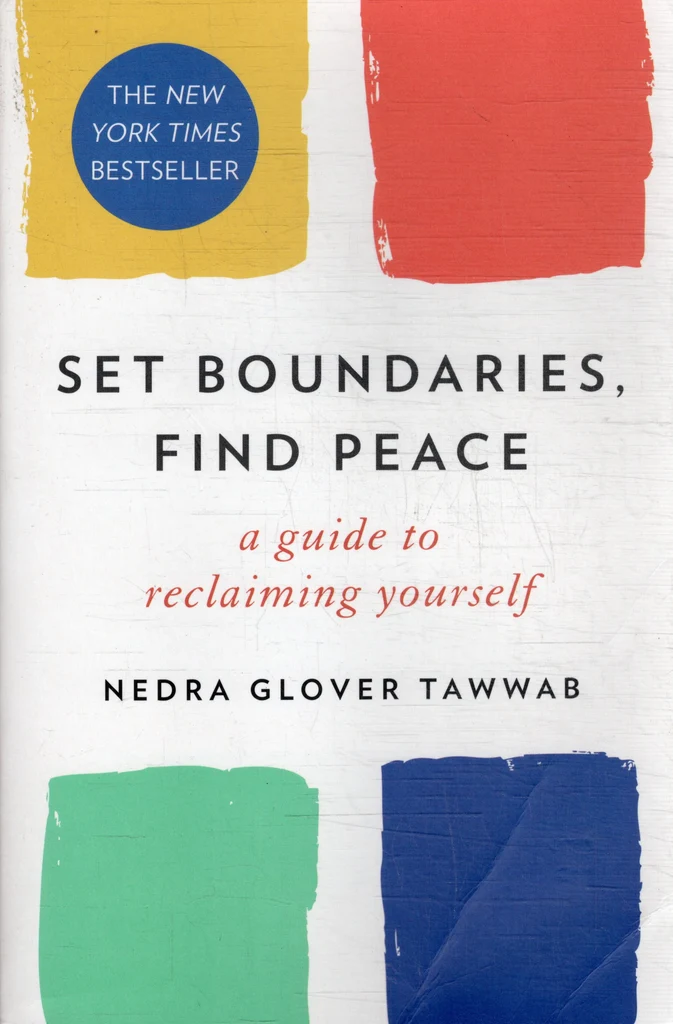
Set Boundaries, Find Peace
Nedra Glover Tawwab
Best for: Boundaries, people-pleasing, difficult relationships, assertiveness, and protecting emotional wellbeing.
Why you might find it helpful: Tawwab offers a clear and practical introduction to understanding, communicating, and maintaining healthy boundaries. It can be particularly helpful if you often feel responsible for other people’s feelings, struggle to say no, or become emotionally drained in relationships.