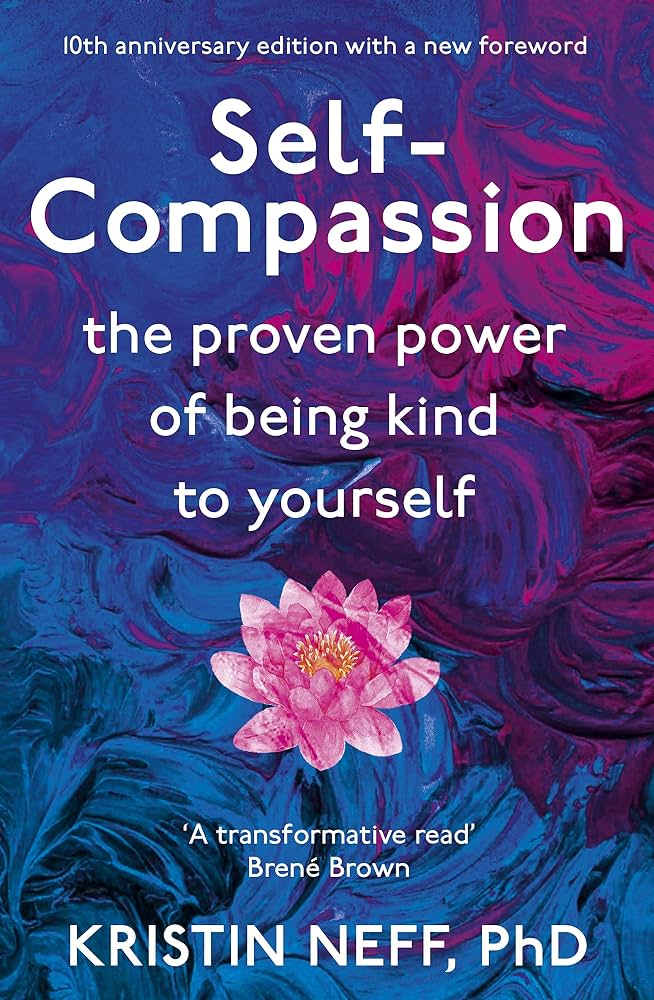
Self-Compassion
Kristin Neff, PhD
Best for: Self-criticism, shame, perfectionism, and learning to treat yourself more kindly.
Why you might find it helpful: Neff explains the core components of self-compassion — self-kindness, common humanity, and mindfulness — and shows how they can offer a healthier alternative to harsh self-judgement. It is especially useful if you tend to be much harder on yourself than you would be on someone you care about.
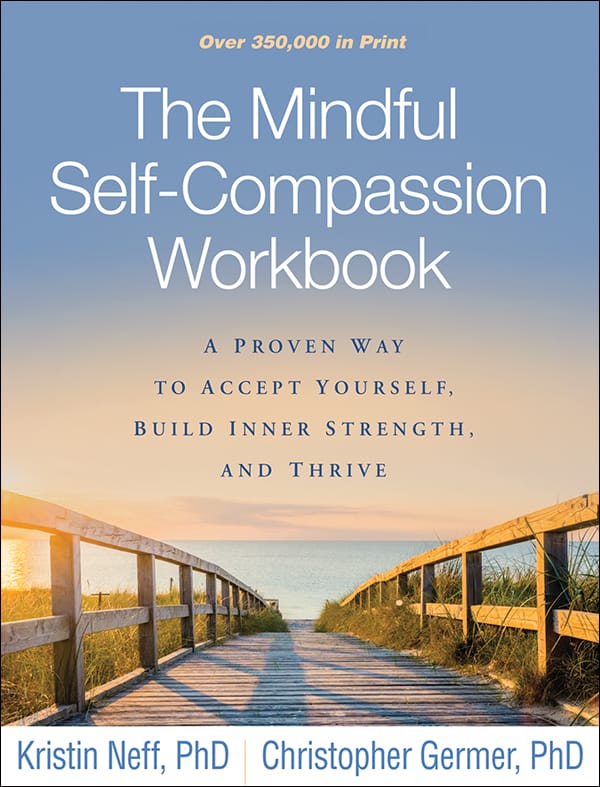
The Mindful Self-Compassion Workbook
Kristin Neff, PhD & Christopher Germer, PhD
Best for: Practical exercises, building self-compassion skills, and applying what you learn in everyday life.
Why you might find it helpful: This is more hands-on than a traditional self-help book and includes exercises drawn from the Mindful Self-Compassion programme. It is a good choice if you prefer structured reflection and practical tools rather than theory alone.
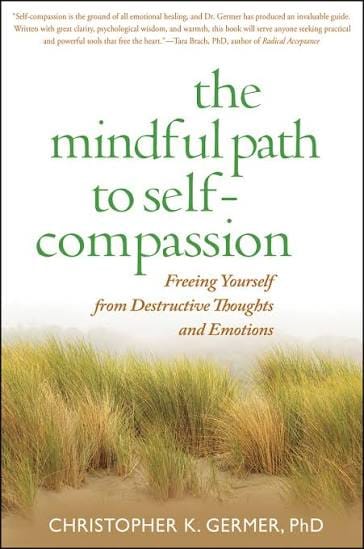
The Mindful Path to Self-Compassion
Christopher Germer, PhD
Best for: Difficult emotions, shame, self-criticism, and learning to respond to yourself with greater warmth.
Why you might find it helpful: Germer approaches self-compassion from a clinical and mindfulness-based perspective, with particular attention to how people respond to emotional pain. It can be especially helpful if kindness toward yourself feels unfamiliar or uncomfortable.
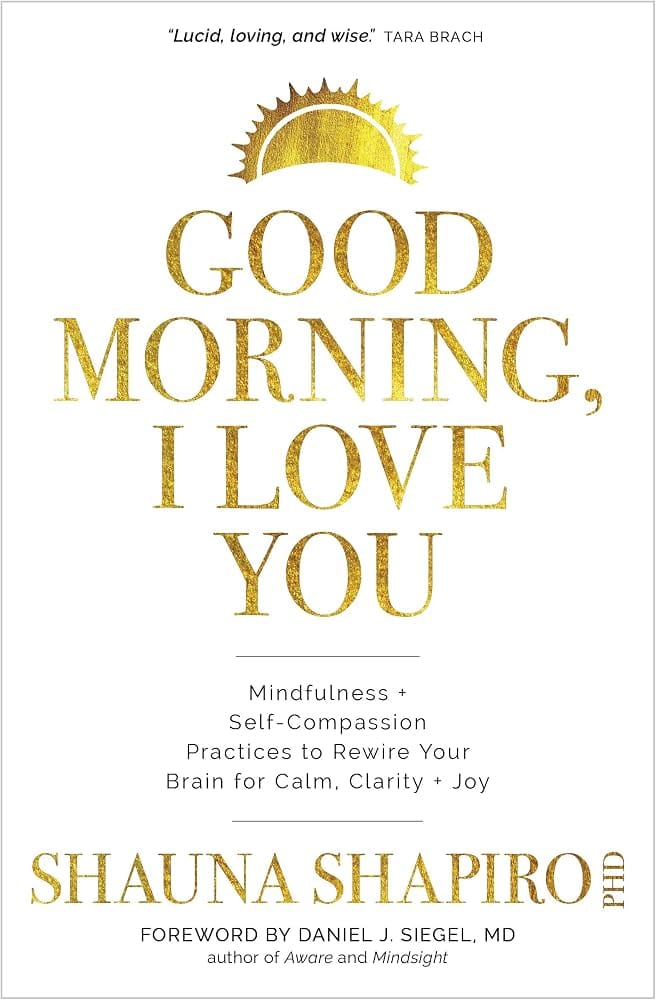
Good Morning, I Love You
Shauna Shapiro, PhD
Best for: Mindfulness, self-kindness, emotional balance, and creating gentler daily habits.
Why you might find it helpful: Shapiro combines psychological research with simple mindfulness and self-compassion practices. It is an accessible option for readers who want practical ways to cultivate greater calm, awareness, and kindness toward themselves in everyday life. UCLA’s counselling centre includes it in its self-compassion recommendations.
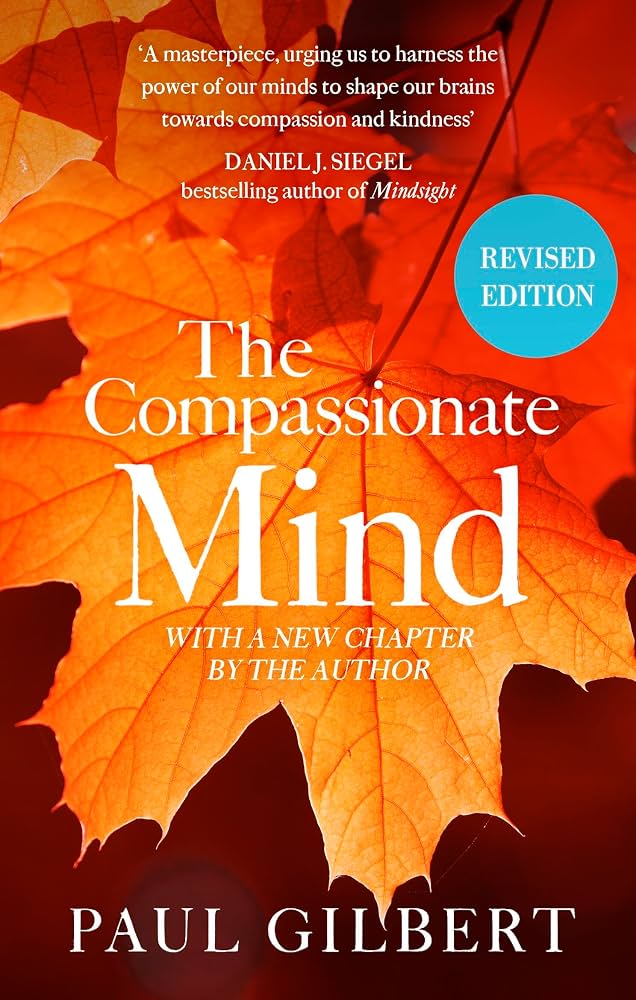
The Compassionate Mind
Paul Gilbert, PhD
Best for: Understanding self-criticism, anxiety, shame, and why compassion can help regulate emotional distress.
Why you might find it helpful: Gilbert, who developed Compassion Focused Therapy, explains why the brain’s threat system can become so dominant and how compassion can help create greater emotional balance. This one is slightly more psychology-focused and may appeal to readers who want to understand the mechanisms behind self-compassion.